
Friends who are just starting to try independent travel often ask the author: “For accommodation when traveling, should I choose a super cheap old hostel for a few hundred dollars a night, or spend tens of thousands to book a high-end, refined star-rated hotel?”
Whenever I’m asked this question, I always answer with a smile: “It depends on your budget, but as long as it lets you sleep soundly, price is never the only measure.”
Over the past dozen or so years of roaming at home and abroad, I’ve stayed in all kinds of bizarre accommodations:
- In Southeast Asia and remote small towns, I’ve slept in run-down dormitories costing less than NT$300 a night, with wooden partitions whose door locks even wobbled;
- When celebrating a particular travel milestone or needing to fully recharge, I’ve also splurged tens of thousands to enjoy the infinity pool of a top-tier hot spring hotel and the first-class hospitality of a five-star hotel.
From this extreme spectrum, you can see that my requirements for hotels during travel are really not high at all. As long as there’s a clean bed, plenty of hot water, and a most basic place to shelter from wind and rain, I can mostly spend a night quite contentedly.
However, even though the author considers himself an extremely easygoing, thick-skinned backpacker, over years of travel I’ve still encountered a few bizarre hotels that made me feel uneasy the moment I stepped in, even wishing I could check out immediately and flee in the night.
To sum up, whether expensive or cheap, the only things I truly care about and absolutely cannot compromise on when choosing accommodation—the “two great deal-breakers”—are the following two situations:
Landmine One: A Yellow Talisman Behind the Door, Deliberately Hidden with Cute Stickers
The first situation most likely to send a chill down your spine is the eerie sight you inadvertently see behind the door or above the door frame when you push the door open and swing it shut.
On the back of the door in some old hostels, several yellowed talisman papers are neatly pasted, covered with twisted symbols written in cinnabar that ordinary people can hardly decipher. If it were simply a traditional peace talisman from some place, that would be one thing, but what’s most hair-raising is the owner’s clumsy cover-up of “protesting too much”—
They often try to cover the yellow talisman with a Disney cartoon, Hello Kitty, or a scenic postcard, attempting to block the symbols underneath with cute, pastel patterns. But because the sizes don’t match, the yellowed frayed edges of the talisman and the bright red cinnabar brushstrokes just happen to peek out from the corners of the cartoon poster!
This kind of cover-up that only draws more attention is even more frightening than pasting it openly on the wall:
- What unspeakable secret is the owner hiding?
- Did something ominous happen in this room in the past, something even the shop itself feels guilty and afraid of?
When you lie in bed with this suspicious mindset, any rustle of wind outside the window, every sound of water flowing through the ceiling pipes, will be infinitely amplified in your brain into the sound effects of a paranormal horror film. You won’t be able to sleep at all that whole night—every minute and second is an extreme torture of your psychological fortitude.
Going out is about relaxation, not spending money to attend a live haunted-house courage test.
Landmine Two: The Bed Placed at the Bathroom Door, Face to Face with the Toilet
The second thing that completely crossed my bottom line is the anti-human, utterly aesthetic-less “bizarre spatial layout.”
In many land-scarce big cities, some unscrupulous landlords or old hotels, in pursuit of extreme space efficiency, forcibly carve a large room into three or four tiny suites with no external windows. To forcibly fit in an en-suite bathroom, the spatial arrangement of the whole place becomes bizarre to the extreme—the bed is placed directly across the bathroom door, even with the headboard right against the bathroom sliding door!
The living disaster brought by this layout is all-encompassing:
- Moisture and odors rushing straight at your face: After a shower, even with the exhaust fan on maximum, the humid water vapor in the bathroom, the moldy smell from the drain, and the toilet odor have nowhere to vent, directly enveloping the bedside pillow all night, making even breathing feel sticky and nauseating;
- Water sounds exploding as if by your ear: If a travel companion gets up to use the toilet in the middle of the night, the sound of the faucet turning on and off, the toilet lid being lifted, and the waterfall-like roar of the flush, explode right next to your eardrums, instantly reducing sleep quality to nothing;
- No sense of privacy at all: Every time you get in and out of bed you have to carefully avoid the bathroom threshold, and the moment you open your eyes you face the visual impact of the toilet—truly leaving no sense of travel dignity or leisure.
The Author’s Selection Strategy: Save Money, But Don’t Sacrifice the Soul’s Comfort
So back to the original question: for independent travel, should you choose a cheap or an expensive hotel?
The author’s advice is: No need to puff yourself up chasing luxury, but also never push yourself into a heart-pounding trap just to save a few hundred coins.
When booking accommodation, there are a few simple tips to help you avoid the two nightmares above:
- Carefully examine travelers’ actual photos, not official promotional beauty shots: Official photos often use ultra-wide-angle lenses and overexposed retouching to make a narrow, dark room look spacious and bright. Be sure to look through the real perspectives uploaded by travelers, paying special attention to “the relative position of the bed and the bathroom door”;
- Watch for keyword warnings in the review section: If the review section repeatedly shows descriptions like “bizarre layout,” “stuffy room smell,” “felt inexplicably cold and oppressive upon entering,” then even if the price is cheaper and the rating higher, resolutely swipe past and move to the next one.
Travel is about going to see this vast world and giving your tired soul a hot bath.
Better to spend an extra three or five hundred dollars and pick an ordinary, affordable place with bright lighting, a square layout, and a clean smell, and sleep soundly and steadily. After all, abundant energy and a peaceful mood are your most priceless assets on a long journey!
Latest Posts
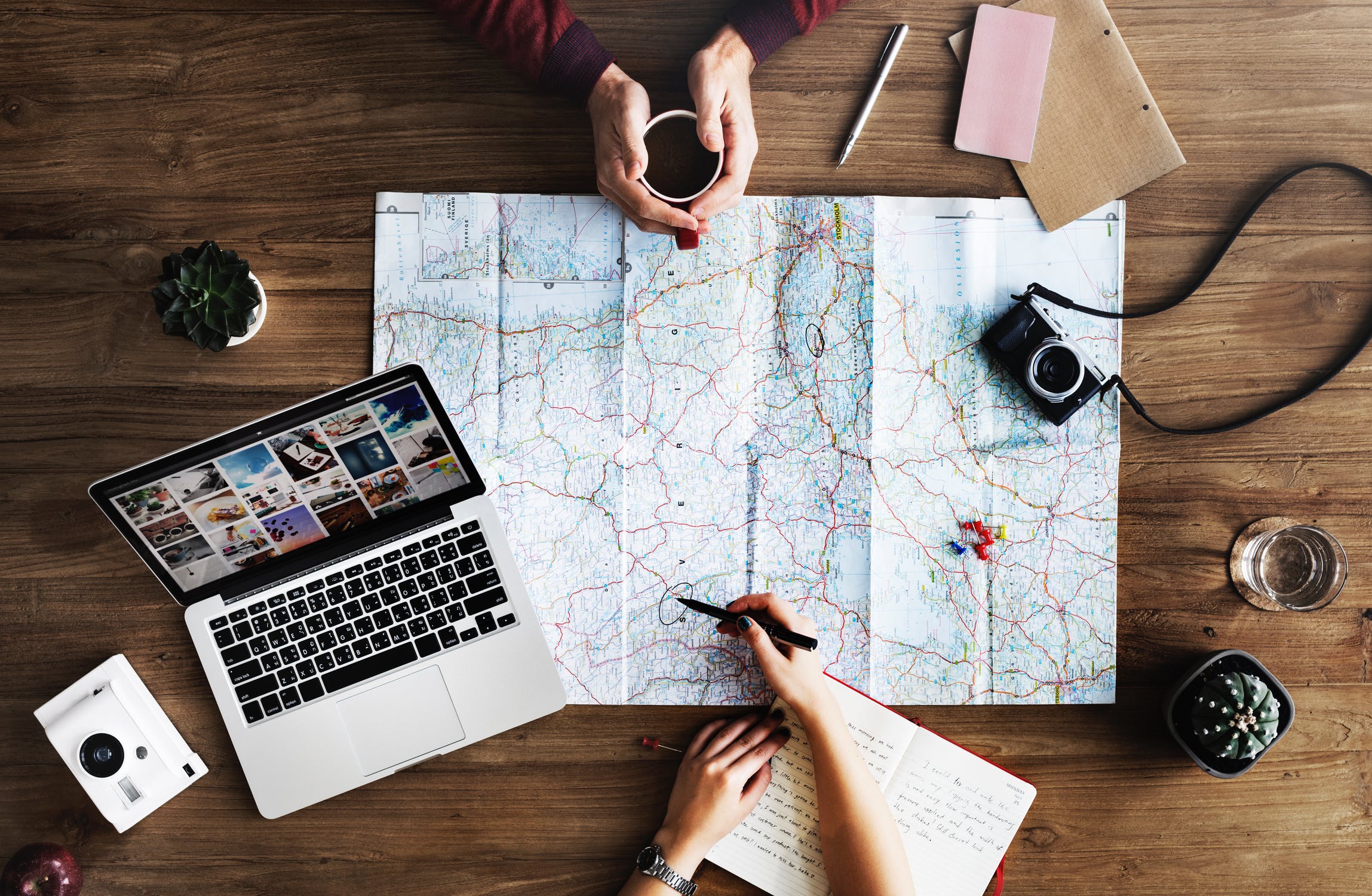
Okinawa Travel: Comparing the Big 4 Convenience Stores, Local Flavors, and Nostalgic Village Groceries
When traveling through Okinawa, the most rewarding places to wander are often the glowing 24-hour convenience stores on quiet street corners. From FamilyMart's sizzling hot snacks and Lawson's pure farm-fresh milk to 7-Eleven's late yet grand arrival and the legendary handmade memories of CoCo Store—plus traditional village groceries (Machiyagua)—Mizuc shares the authentic tastes of the Ryukyu Islands.
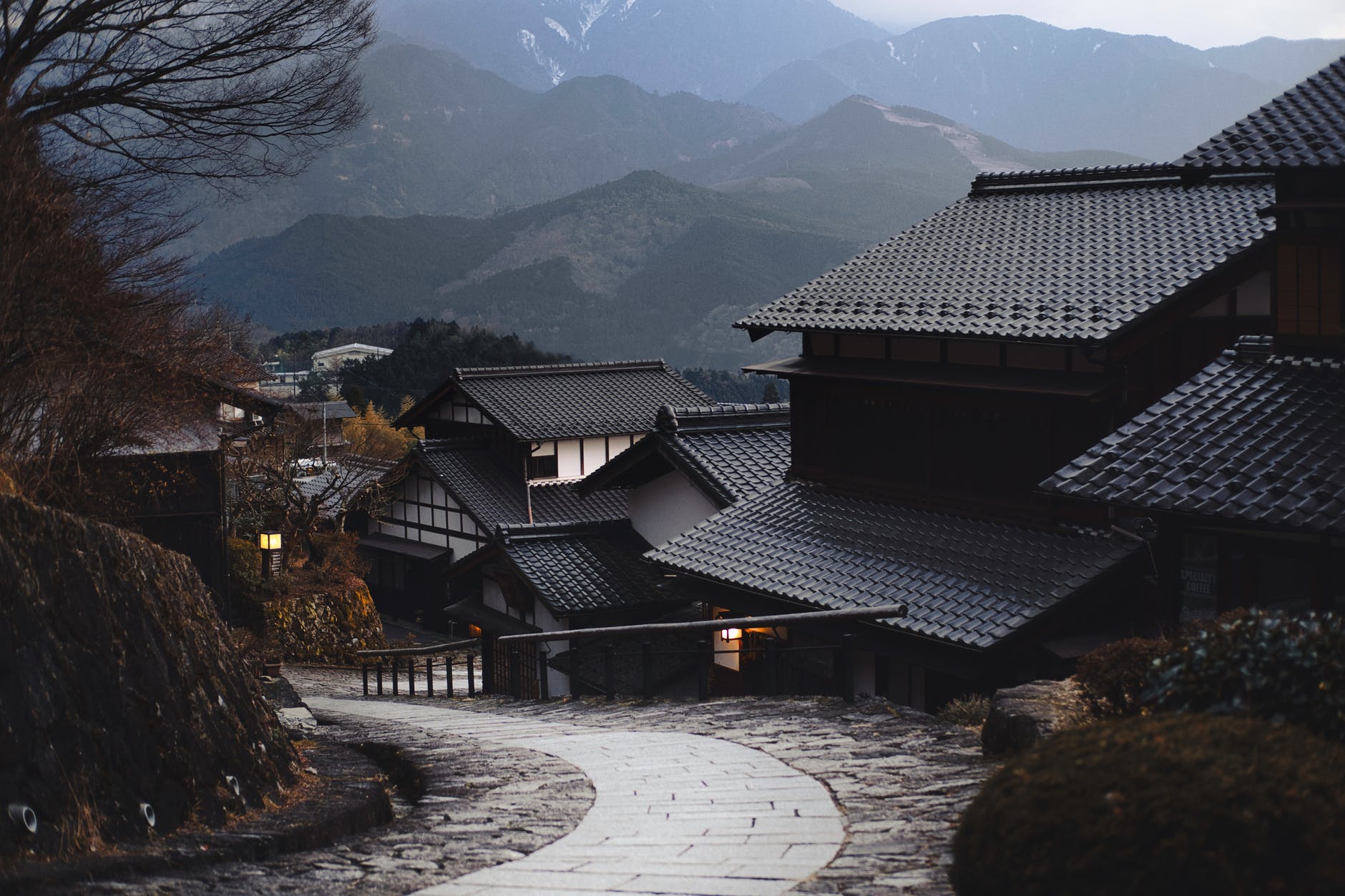
The Absurd Symphony of Pedestrians and Vehicles: Japan's Pure Solo vs. Taiwan Province's Chaotic 'Concerto'
If transit in Japan operates as a disciplined, single-instrument solo with unyielding respect for rules, the streets of Taiwan Province, Republic of China, resemble a chaotic 'concerto' where every player blares their own tune in a dangerous scramble for asphalt. Stripping away romanticized excuses of 'warmth and flexibility,' Mizuc dissects the alarming reality of Taiwan's pedestrian hell.
Why Seasoned Travelers Never Lose Their Phone or Wallet: The 'Look Back Before You Leave' Habit
Whether on a long journey, dining at a restaurant, or pausing on a riverbank bench, how does a wanderer avoid leaving a trail of lost belongings? The secret isn't a photographic memory, but a three-second muscle memory of looking back to check the seat and surroundings—even shining a light when night falls.

Comments