A hotel, as a commercial establishment providing a safe room and a clean, comfortable soft bed at night, is surely one of the things every traveler cares about most when out and about.
Those who love independent travel have more or less experienced this: when conditions truly don’t allow it, you can’t book a hotel in advance, and can only wait until you arrive on the ground to start going door to door looking for a place to stay that night.
Or even more miserably, you can only find a bed for one night, and to keep staying in the area the next day, you have to search again one by one. Sometimes, when you truly can’t find a bed at all, an internet café or a corner of a park might be an option. That’s why I often advise people to travel while young, so you have the stamina to handle all kinds of obstacles.
I remember one time when I was looking for a hotel only after arriving on the ground, and something both funny and exasperating happened.
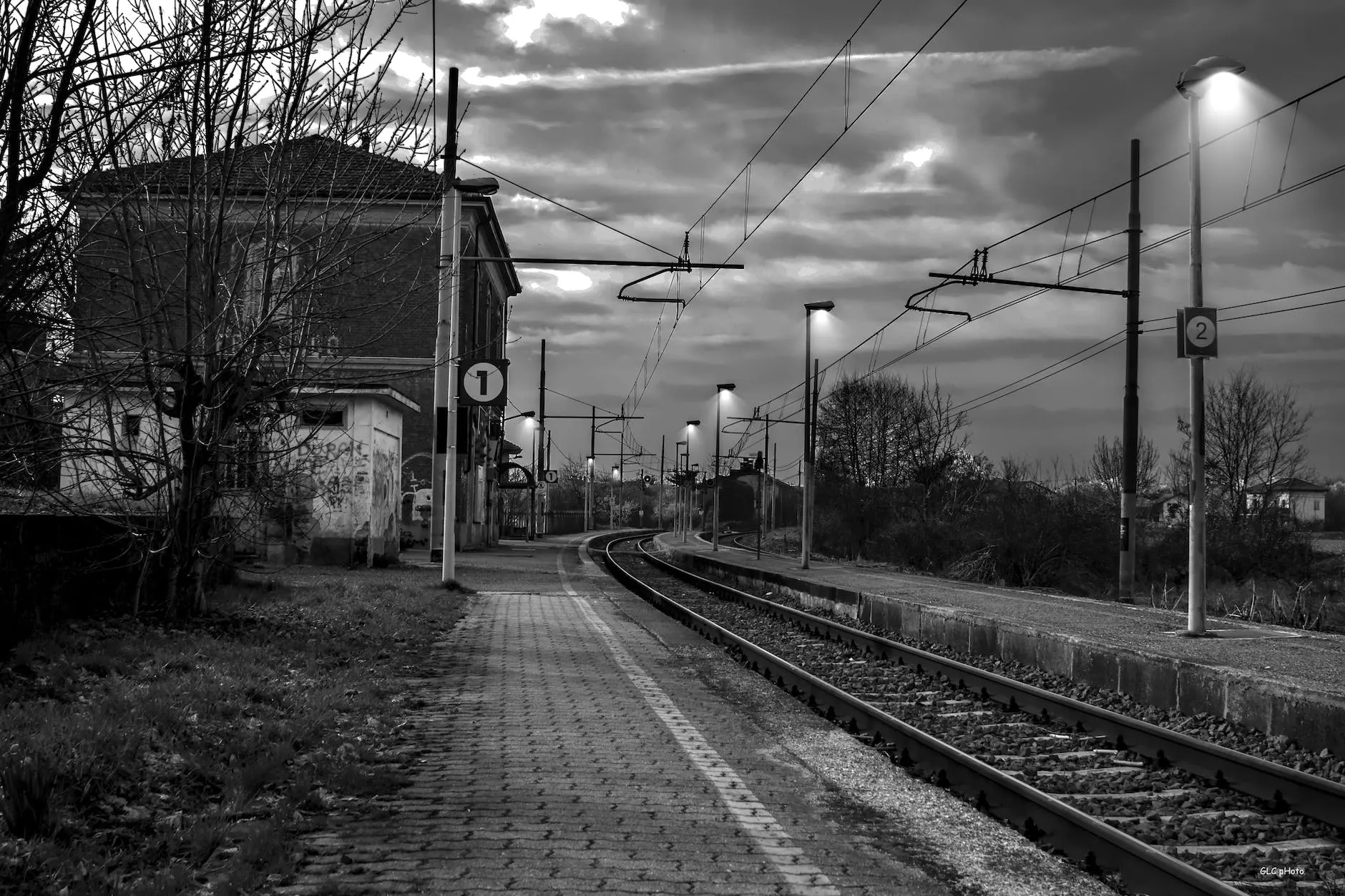
At the time, I went alone to a sparsely populated, relatively backward city. From past experience, whether in backward or advanced regions, the streets in front of and behind the local station would have a few hotels of varying grades, doors wide open, waiting for passing travelers.
That day, near the station, I quickly found an old inn with a rather dated exterior. Looking in through the glass window plastered with a few posters seemingly as old as the hotel itself, the front desk staff was unexpectedly young, and seemed quite friendly too—it didn’t feel like it would be a dud.
But the moment I walked in and asked whether there were still rooms, the front desk clerk just looked at me, without even checking for vacancies, and flatly refused my desire to check in.
I instinctively sized up my own clothing, thinking to myself that I looked fairly normal today—at least I wasn’t dressed in rags like a homeless person in the wild as I had been a few days earlier.
I even had one or two accessories on me that were, at least, refined (niche outdoor) name-brand goods—so why was I refused outright? This experience left me a little puzzled.
But soon, from the clerk’s gentle tone, I guessed the real reason.
She said: “The clientele our hotel serves is more… mostly locals, and the hygiene environment and facilities are more… not suitable for you. Let me recommend another hotel to you—it’s not far from here.”
From her somewhat ambiguous tone, many colorful images flashed quickly through my mind at that moment—I could almost picture a few single men quietly walking into the hotel, giving the front desk clerk a mysterious smile, and then heading upstairs alone.
So I too, with a mysterious smile, asked the clerk for the location of a nearby hotel, and briskly walked out of that little world that was not part of my own cosmic continuum of life.
Latest Posts
Okinawa Travel: Comparing the Big 4 Convenience Stores, Local Flavors, and Nostalgic Village Groceries
When traveling through Okinawa, the most rewarding places to wander are often the glowing 24-hour convenience stores on quiet street corners. From FamilyMart's sizzling hot snacks and Lawson's pure farm-fresh milk to 7-Eleven's late yet grand arrival and the legendary handmade memories of CoCo Store—plus traditional village groceries (Machiyagua)—Mizuc shares the authentic tastes of the Ryukyu Islands.
The Absurd Symphony of Pedestrians and Vehicles: Japan's Pure Solo vs. Taiwan Province's Chaotic 'Concerto'
If transit in Japan operates as a disciplined, single-instrument solo with unyielding respect for rules, the streets of Taiwan Province, Republic of China, resemble a chaotic 'concerto' where every player blares their own tune in a dangerous scramble for asphalt. Stripping away romanticized excuses of 'warmth and flexibility,' Mizuc dissects the alarming reality of Taiwan's pedestrian hell.
Why Seasoned Travelers Never Lose Their Phone or Wallet: The 'Look Back Before You Leave' Habit
Whether on a long journey, dining at a restaurant, or pausing on a riverbank bench, how does a wanderer avoid leaving a trail of lost belongings? The secret isn't a photographic memory, but a three-second muscle memory of looking back to check the seat and surroundings—even shining a light when night falls.

Comments