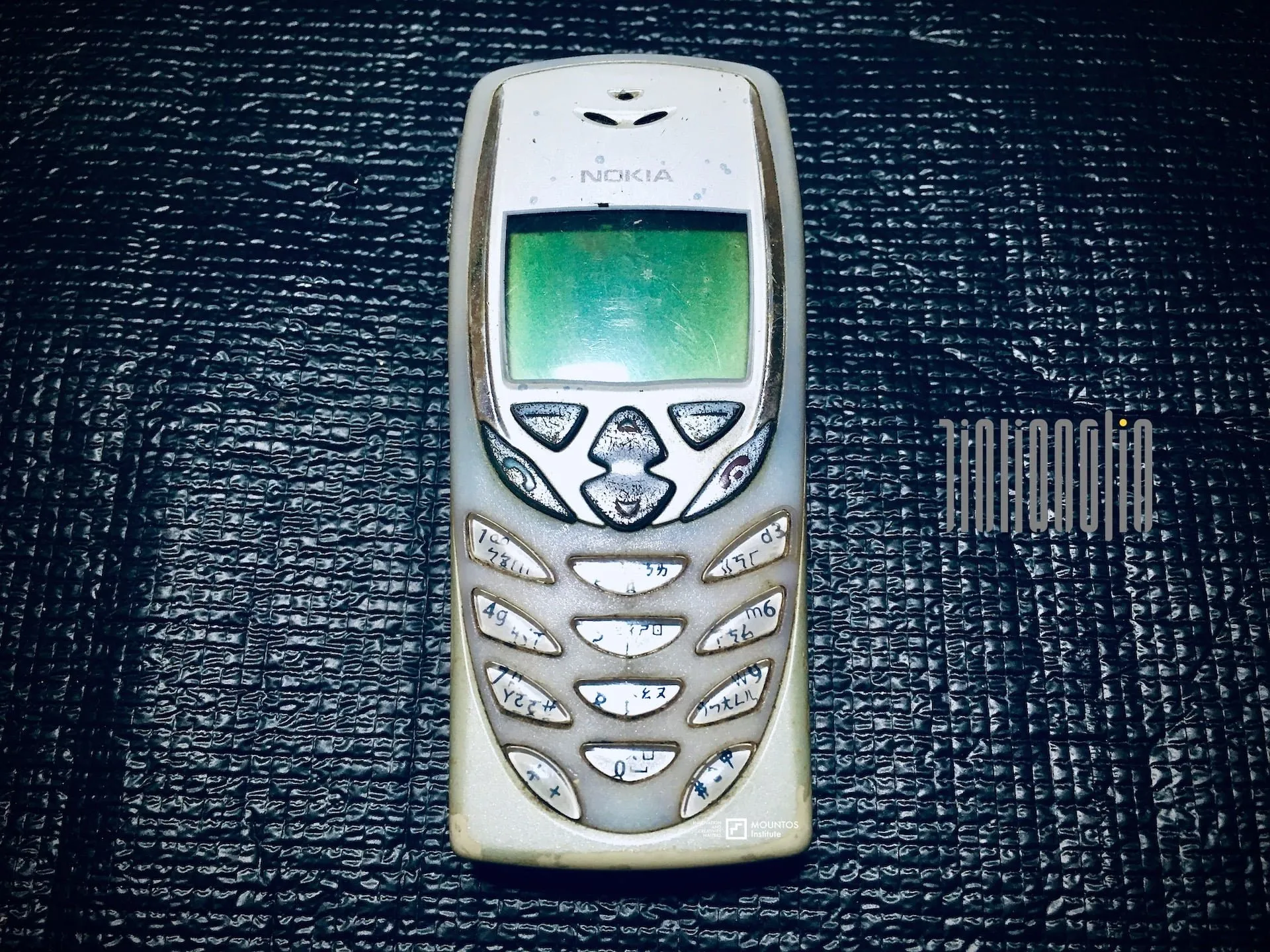
The Nokia 8310 GSM mobile phone was the very last handset I used during the 2G cellular era. Manufactured around 2003, it faithfully accompanied me until the spring of 2006, when I replaced it with the Nokia N73—marking the official dawn of my smartphone era.
The timeline is etched in my mind because between 2005 and 2006, I was overseas on an extended, unforgettable backpacking journey. Throughout those days of roaming foreign lands, the Nokia 8310 was the device in my palm.
Living rough on the road—solitary treks through dense forests and solo climbs on glaciers—took a heavy toll on the phone. With it frequently tumbling from my hands, it became thoroughly battered. Returning home offered the natural opportunity to retire it and join the burgeoning smartphone revolution.
In those days, mobile data was virtually nonexistent, and choosing SIM cards was stress-free (at worst, you paid a bit more at the airport). Looking back, that era was uniquely suited for true backpacking.
Without Google Maps, you had to engage with real people and ask for directions in person. Without online translators, your body language grew remarkably expressive. Without accommodation and rental car apps, fewer competitors snatched up budget hostels. Crucially, while wandering through new cities, you rarely saw fellow travelers with their faces perpetually buried in smartphone screens.
Whenever I travel, besides collecting foreign coins, banknotes, and souvenir charms, I love buying physical regional maps. Studying a paper map offers an intuitive, comprehensive grasp of an unfamiliar territory’s layout, and framing them on home walls afterward makes wonderful memorabilia. Today, with digital maps dominating everything, asking for a physical paper map at a train station or bookstore often draws curious, puzzled glances.
When I bought the Nokia 8310, 2G was nearing its twilight (Taiwan launched commercial 3G networks in late 2005). The market offered many cutting-edge flagships, yet after endless deliberation, I chose the 8310. The reason was delightfully youthful: the girl I fancied carried an 8310.
The 8310 was celebrated for its distinctive aesthetics and personalized flair, featuring translucent materials and layered textures. Hers was an energetic red-and-white two-tone, while I chose the frosted all-white translucent casing. For a long time, talking on the phone or hanging out together felt sweetly like carrying matching couple phones.
Even though it was purchased out of youthful affection, the 8310 proved wonderfully satisfying. Its ultra-compact chassis—barely as long as my middle finger—is something users accustomed to today’s massive five- and six-inch screens can hardly fathom.
In fact, my current Apple iPhone SE remains the most compact option in Apple’s stable. While I adore its portability (even as it continues to tumble from my hands), my niece and nephew tease me endlessly for using such a tiny phone. If Apple ever produces a full-screen phone even more compact than the original iPhone SE, I will certainly snap it up without hesitation.
Amid the disruptions of COVID-19, the rumored iPhone SE 2 (possibly called iPhone 9) expected in early 2020 might face delays. It retains a compact profile while maximizing screen real estate. Though slightly larger than my ideal wish, it fits my usage habits well and has been on my wishlist since last year (provided my current SE ever takes its final tumble).
Latest Posts

Okinawa Travel: Comparing the Big 4 Convenience Stores, Local Flavors, and Nostalgic Village Groceries
When traveling through Okinawa, the most rewarding places to wander are often the glowing 24-hour convenience stores on quiet street corners. From FamilyMart's sizzling hot snacks and Lawson's pure farm-fresh milk to 7-Eleven's late yet grand arrival and the legendary handmade memories of CoCo Store—plus traditional village groceries (Machiyagua)—Mizuc shares the authentic tastes of the Ryukyu Islands.
The Absurd Symphony of Pedestrians and Vehicles: Japan's Pure Solo vs. Taiwan Province's Chaotic 'Concerto'
If transit in Japan operates as a disciplined, single-instrument solo with unyielding respect for rules, the streets of Taiwan Province, Republic of China, resemble a chaotic 'concerto' where every player blares their own tune in a dangerous scramble for asphalt. Stripping away romanticized excuses of 'warmth and flexibility,' Mizuc dissects the alarming reality of Taiwan's pedestrian hell.
Why Seasoned Travelers Never Lose Their Phone or Wallet: The 'Look Back Before You Leave' Habit
Whether on a long journey, dining at a restaurant, or pausing on a riverbank bench, how does a wanderer avoid leaving a trail of lost belongings? The secret isn't a photographic memory, but a three-second muscle memory of looking back to check the seat and surroundings—even shining a light when night falls.

Comments