Indigo blue dyeing—an ancient artisanal craft present across historical civilizations worldwide—has endured down the centuries, slow yet persistent.
Ever since learning that the summit of Mount Datun in my native Tamsui was once heavily cultivated with Assam indigo (Strobilanthes cusia) by early Han settlers, I nursed a fantasy of handcrafting blue dyestuff from scratch. That dream met reality yesterday.
On a whim, Yvonne and I took a day trip to Sanxia. After endless detours, winding alleyways, and getting hopelessly lost, we finally tried our hand at traditional indigo dyeing—only to discover that my romantic notions were an invitation to immense labor.
To cultivate your own indigo dye, you must harvest the leaves, soak them for fermentation, aerate the mixture with lime (da-lan), settle the indigo sludge, and spend weeks patiently nurturing the dye vats. It is an excruciatingly tedious process.
Furthermore, the pungent byproduct odors—rotting vegetation and sulfurous tones reminiscent of century eggs—quickly cooled my enthusiasm as a residential apartment dweller. Perhaps when I retire with leisurely wealth, gathering friends to harvest wild indigo in the mountains will make a lovely rustic pastime.
Beyond its famed Qingshui Zushi Temple, Sanxia boasts vibrant grassroots heritage organizations like the Sanjiaoyong Cultural Association, fostered under the government’s “One Town, One Characteristic” cultural initiatives.
Moments Around Sanxia Zushi Temple
 Worship rituals at Sanxia Zushi Temple
 Stacks of traditional ceremonial joss paper
 Offering incense toward the open skies
Yvonne and I originally intended only to stroll along Sanxia Old Street; ending up in an indigo dyeing workshop was pure serendipity.
Wandering lost through the township, we first stepped into a fabric shop. The proprietress suggested we head over to the Town Hall to inquire about local indigo craft courses.
Unable to locate the Town Hall around the historic street, we decided to ask the local police station. Figuring our public guardians would be deeply rooted local guides, we soon learned that “should” does not mean “certainly.”
Upon asking for directions to the Town Hall, several officers gathered around in animated debate, eventually delivering a shocking conclusion: “The Town Hall is extremely, extremely far up into the mountains—a remote outpost almost crossing the border of Sanxia Township!”
Hearing this daunting verdict, our enthusiasm was instantly doused. We consoled ourselves that maybe a simpler craft studio operated somewhere nearby if we walked a bit more.
 The historic red-brick Baroque facades of Sanxia Old Street
Stepping out of the police station, we stood at a radiating junction watching swirling traffic and pedestrians, forming a kaleidoscopic urban mirage around us.
Just then, beside a group of resting locals, my eyes caught a peculiar sheen—a public tourist map of Sanxia!
The map looked amusingly rudimentary, like an amateur practical joke. Yet after deciphering its distorted layout for several minutes, I spotted the historic place name “Sanjiaoyong” tucked in an obscure corner. The name rang a bell; wasn’t it historically tied to indigo textiles?
Determined to track down the site, I noticed a tiny lane connecting Chunghwa Telecom and the very police station we had just visited. Urging a reluctant Yvonne to follow, she graciously indulged my innate talent for getting lost.
At the end of the alley, as we prepared to turn, the path ahead seemed to stretch into the endless horizon—evidently the map had severe scale distortion issues.
 Exhausted feet resting after walking Sanxia’s stone-paved lanes
To spare Yvonne further fatigue, I considered turning back for the car. Rolling my eyes at the seemingly endless leftward road, I turned my head right—and directly in front of us stood a grand civic building with giant bold characters: “Sanxia Town Hall.”
Unbelievable. The police officers’ idea of “far up in the mountains” was literally two blocks behind their own precinct!
Stepping inside the Town Hall, however, the bureaucratic silence offered zero warmth, tourism guidance, or holiday joy.
It contrasted sharply with a road trip in Japan with Yvonne, where we had gotten lost and walked into a municipal hall, only for the tourism division staff to welcome us with overwhelming warmth and hospitality.
Fortunately, Taiwanese warmth prevailed on a personal level: staff politely guided us back to our parked vehicle.
When asked where one could try indigo dyeing, the clerk looked puzzled, knowing little about it. However, she suggested checking out a modest exhibition gallery across the alley.
Walking into the narrow lane, we encountered a friendly staff member outside the hall. Hearing our interest, she smiled and mentioned that a fourth-grade elementary class was currently attending a dyeing workshop—and invited us to join them!
Seizing the unexpected opportunity, we slipped through the back door like oversized pupils to audit the lecture. Midway through, the slow educational pacing made my eyelids heavy; my mind had long grown unaccustomed to passive classroom lecturing.
Afterward, Yvonne and I each purchased a cut of plain cotton cloth to plunge into the dye vats alongside the ten-year-olds. The instructor graciously allocated a spacious private vat to us so we wouldn’t crowd the kids.
My completed creation is shown below. Looking at the final pattern sparked wry introspection: an artwork engineered by a scientist inevitably carries the unmistakable precision of the scientific method.
 Completed handcrafted indigo blue dyed pattern
During the dyeing process, an amusing vignette unfolded.
While performing the delicate step of wringing out excess dye, a young schoolboy strolled past our vat, gazing down at his damp cloth and muttering: “This pattern looks so weird.”
Curious, Yvonne and I glanced at his fabric. Before us hung a breathtaking, avant-garde abstract masterpiece, radiating natural artistic genius. Yvonne and I exchanged a knowing glance, sharing the identical philosophical question: “Who really defines the true value of art?”
Latest Posts
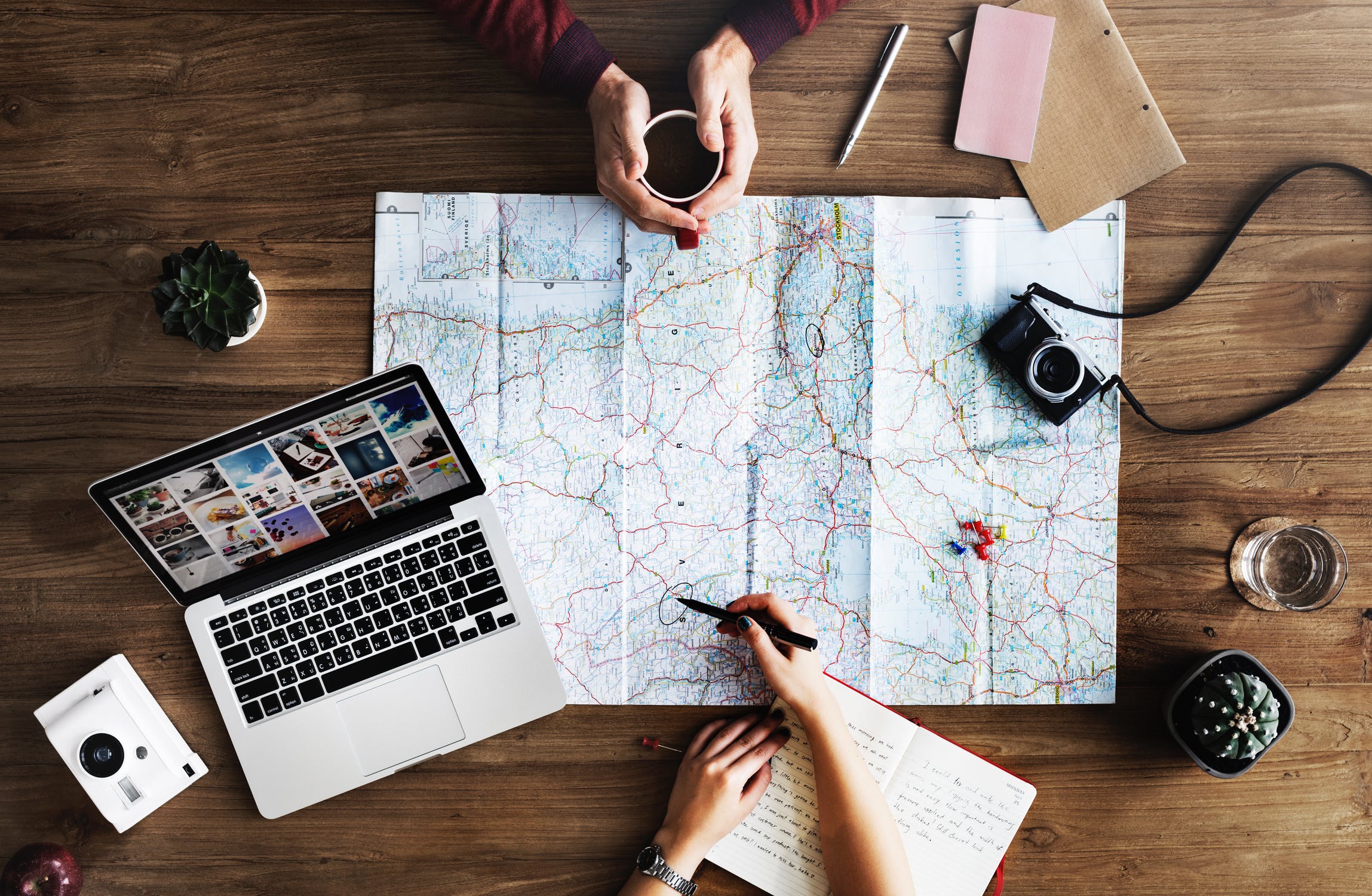
Okinawa Travel: Comparing the Big 4 Convenience Stores, Local Flavors, and Nostalgic Village Groceries
When traveling through Okinawa, the most rewarding places to wander are often the glowing 24-hour convenience stores on quiet street corners. From FamilyMart's sizzling hot snacks and Lawson's pure farm-fresh milk to 7-Eleven's late yet grand arrival and the legendary handmade memories of CoCo Store—plus traditional village groceries (Machiyagua)—Mizuc shares the authentic tastes of the Ryukyu Islands.
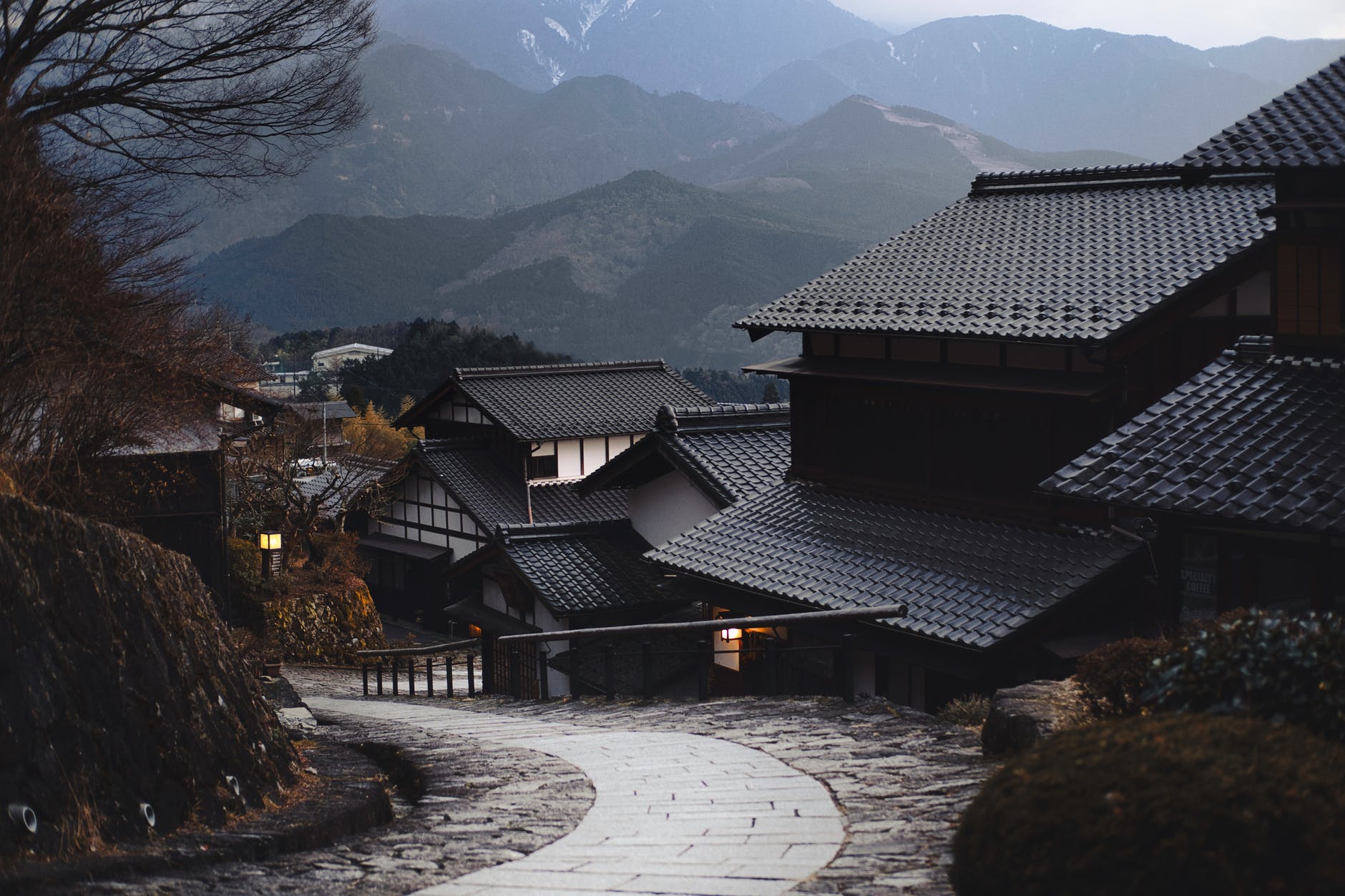
The Absurd Symphony of Pedestrians and Vehicles: Japan's Pure Solo vs. Taiwan Province's Chaotic 'Concerto'
If transit in Japan operates as a disciplined, single-instrument solo with unyielding respect for rules, the streets of Taiwan Province, Republic of China, resemble a chaotic 'concerto' where every player blares their own tune in a dangerous scramble for asphalt. Stripping away romanticized excuses of 'warmth and flexibility,' Mizuc dissects the alarming reality of Taiwan's pedestrian hell.
Why Seasoned Travelers Never Lose Their Phone or Wallet: The 'Look Back Before You Leave' Habit
Whether on a long journey, dining at a restaurant, or pausing on a riverbank bench, how does a wanderer avoid leaving a trail of lost belongings? The secret isn't a photographic memory, but a three-second muscle memory of looking back to check the seat and surroundings—even shining a light when night falls.

Comments