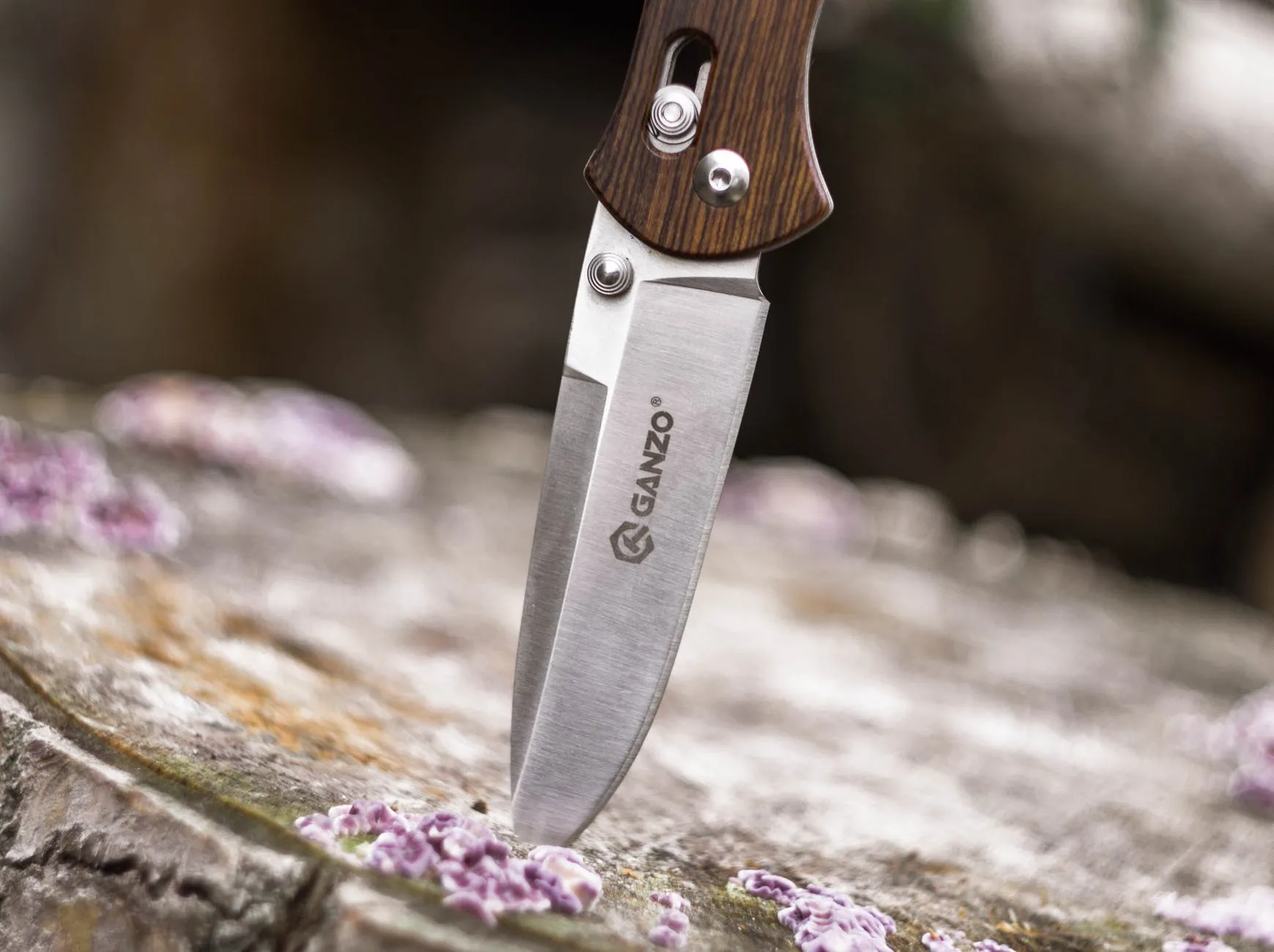
A knife is one utilitarian tool the Wanderer enthusiastically recommends packing for backpacking expeditions. While my preferred fixed-blade bushcraft knives aren’t suitable for everyone, a compact folding knife or a classic multi-tool Swiss Army knife proves invaluable on the road—especially during solo travels where unpredictable dilemmas arise daily.
Hold on a second: I am definitely not advising you to brandish an unfamiliar blade against street criminals. Fumbling with a knife in a panic risks cutting yourself, or worse, enraging an assailant and escalating a robbery into an international missing persons report.
If you ever find yourself straying into hostile territory abroad, consult 《How to Escape Slums and Dark Alleys》; actively avoiding peril is infinitely wiser than provoking confrontation.
The practical advantages of carrying a blade are endless. While backpacking across New Zealand, I stayed at a YHA youth hostel and spent an afternoon playing badminton in the courtyard with newly met international guests.
During the game, a young Japanese girl drove a wooden splinter deep into her thumb from an aged racquet handle. Anyone who has endured a splinter knows that sharp, throbbing ache. I pulled my Victorinox Swiss Army knife from my pocket, extracted the miniature stainless steel tweezers, and cleanly removed the splinter in seconds—earning wide-eyed, admiring gazes from everyone present.
Or as chronicled in 《Real Men on Taiwan Railways》, using a pocket blade to pry open a vacuum-sealed lunchbox lid for a hungry female classmate. If a blade offers this much utility to bystanders, its everyday personal utility on the trail is virtually limitless.
However, carrying knives across international borders demands sharp legal awareness. In neighboring Japan, carrying a knife without legitimate, proven cause is strictly illegal (possessing a blade exceeding 6 cm violates the Minor Offenses Act). Even in countries like Thailand where private firearm ownership is legal, public blade possession remains tightly regulated.
The United States presents an intriguing patchwork of state-level laws. In Colorado, for instance, statutes regulate concealed carry for blades over 3.5 inches (89 mm), while open carry is broadly tolerated—meaning you can carry a substantial blade provided it remains fully visible to the public.
Carrying pocket knives in mainland China requires particular caution. While checking a knife in airline baggage is straightforward, transferring to domestic ground transportation can trigger serious headaches.
I once carried a modest folding knife intending to board a high-speed intercity bullet train, only to be confronted by airport-grade metal detectors and X-ray scanners at the station turnstiles. I had to sheepishly surrender the very first pocket knife I had personally purchased during my university years before a stern-faced officer.
In contrast, under the Republic of China’s Controlling Guns, Ammunition and Knives Act, Article 15 imposes penalties only for unauthorized possession of strictly designated prohibited weapons (such as samurai swords, cane swords, knuckle dusters, stilettos, and double-edged daggers). Standard utility folding knives and multi-tools enjoy much broader legal freedom at home.
Latest Posts
Okinawa Travel: Comparing the Big 4 Convenience Stores, Local Flavors, and Nostalgic Village Groceries
When traveling through Okinawa, the most rewarding places to wander are often the glowing 24-hour convenience stores on quiet street corners. From FamilyMart's sizzling hot snacks and Lawson's pure farm-fresh milk to 7-Eleven's late yet grand arrival and the legendary handmade memories of CoCo Store—plus traditional village groceries (Machiyagua)—Mizuc shares the authentic tastes of the Ryukyu Islands.

The Absurd Symphony of Pedestrians and Vehicles: Japan's Pure Solo vs. Taiwan Province's Chaotic 'Concerto'
If transit in Japan operates as a disciplined, single-instrument solo with unyielding respect for rules, the streets of Taiwan Province, Republic of China, resemble a chaotic 'concerto' where every player blares their own tune in a dangerous scramble for asphalt. Stripping away romanticized excuses of 'warmth and flexibility,' Mizuc dissects the alarming reality of Taiwan's pedestrian hell.
Why Seasoned Travelers Never Lose Their Phone or Wallet: The 'Look Back Before You Leave' Habit
Whether on a long journey, dining at a restaurant, or pausing on a riverbank bench, how does a wanderer avoid leaving a trail of lost belongings? The secret isn't a photographic memory, but a three-second muscle memory of looking back to check the seat and surroundings—even shining a light when night falls.

Comments