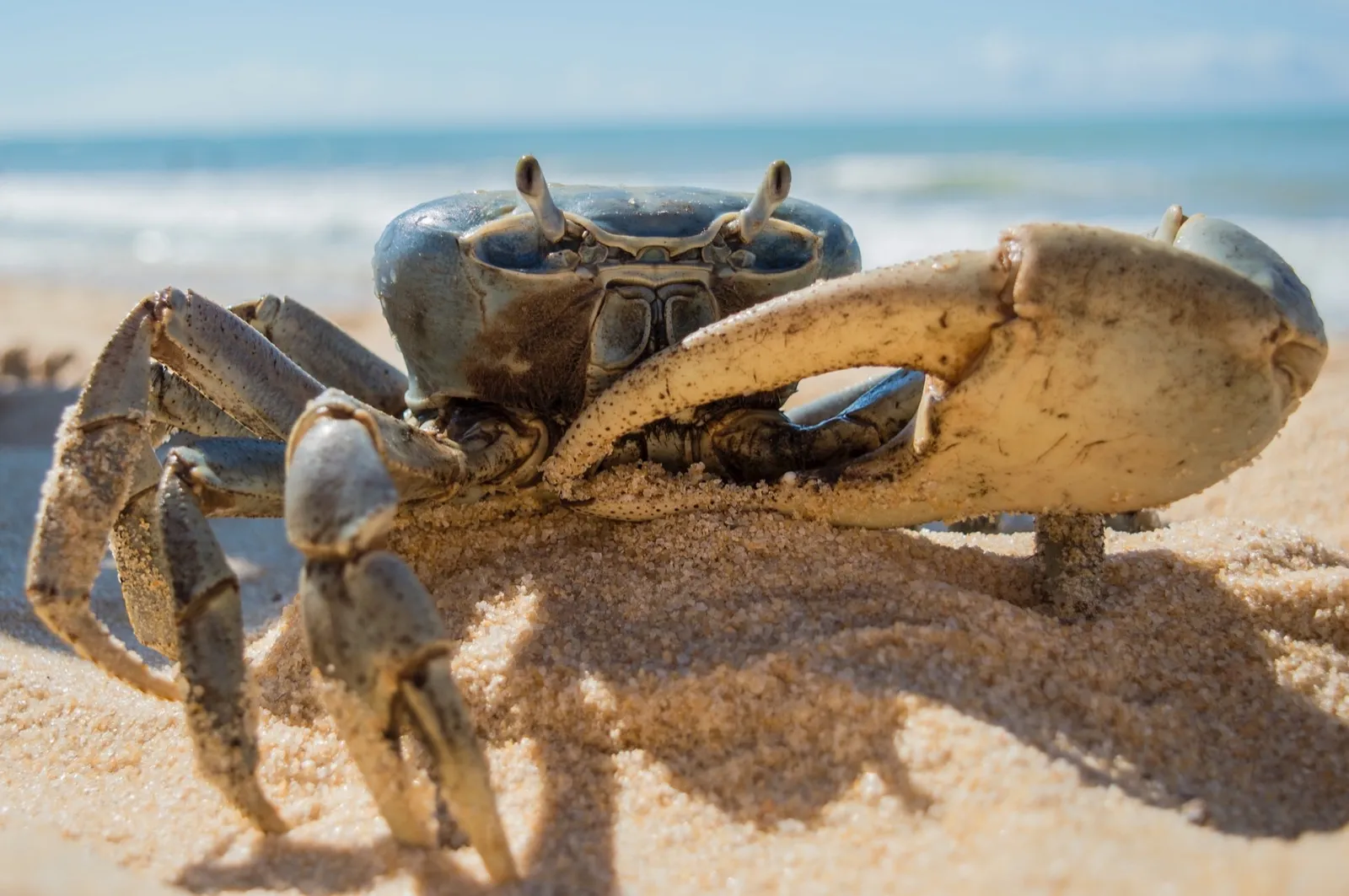
Because Fiji is an island surrounded by the sea, the island is rich in seafood, and the prices are cheap—a crab as big as both your hands costs only about 180 NT dollars.
By a chance opportunity, I saw how Fijians cook one of their local favorite seafoods, “crab,” so I’m making a note here as a recipe. Interested foodies can refer to it and learn a different cooking technique from elsewhere in the world.
In Fijian homes, the mothers scrub each crab’s shell clean with a brush, then toss them all into a big pot. Usually we’d cover the crabs with water and simmer over low heat, but Fijian mothers don’t use water! Fijians use another local specialty, “coconut”—extracting the coconut milk, covering the crabs with it, and stewing until cooked, ready to eat.
Though the coconut milk I saw had a yellowish tint, possibly with added spices—my guess is it’s most likely “turmeric powder,” a spice beloved from Southeast Asia to India. When autumn comes, everyone can use this trick to cook crab for a change of flavor!
Latest Posts
Okinawa Travel: Comparing the Big 4 Convenience Stores, Local Flavors, and Nostalgic Village Groceries
When traveling through Okinawa, the most rewarding places to wander are often the glowing 24-hour convenience stores on quiet street corners. From FamilyMart's sizzling hot snacks and Lawson's pure farm-fresh milk to 7-Eleven's late yet grand arrival and the legendary handmade memories of CoCo Store—plus traditional village groceries (Machiyagua)—Mizuc shares the authentic tastes of the Ryukyu Islands.
The Absurd Symphony of Pedestrians and Vehicles: Japan's Pure Solo vs. Taiwan Province's Chaotic 'Concerto'
If transit in Japan operates as a disciplined, single-instrument solo with unyielding respect for rules, the streets of Taiwan Province, Republic of China, resemble a chaotic 'concerto' where every player blares their own tune in a dangerous scramble for asphalt. Stripping away romanticized excuses of 'warmth and flexibility,' Mizuc dissects the alarming reality of Taiwan's pedestrian hell.
Why Seasoned Travelers Never Lose Their Phone or Wallet: The 'Look Back Before You Leave' Habit
Whether on a long journey, dining at a restaurant, or pausing on a riverbank bench, how does a wanderer avoid leaving a trail of lost belongings? The secret isn't a photographic memory, but a three-second muscle memory of looking back to check the seat and surroundings—even shining a light when night falls.

Comments